
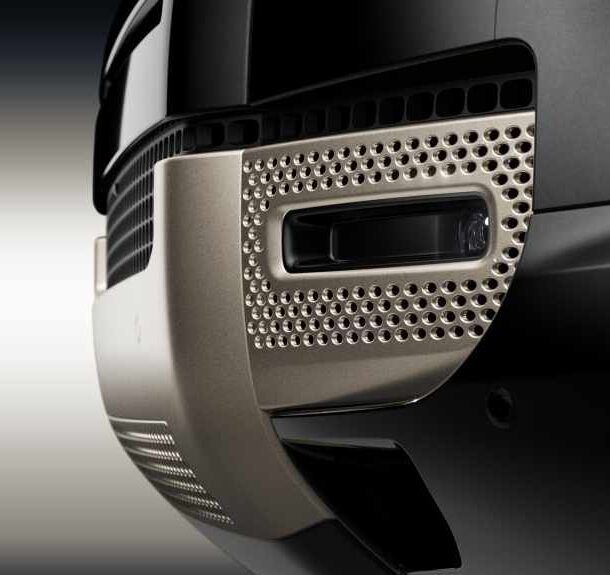
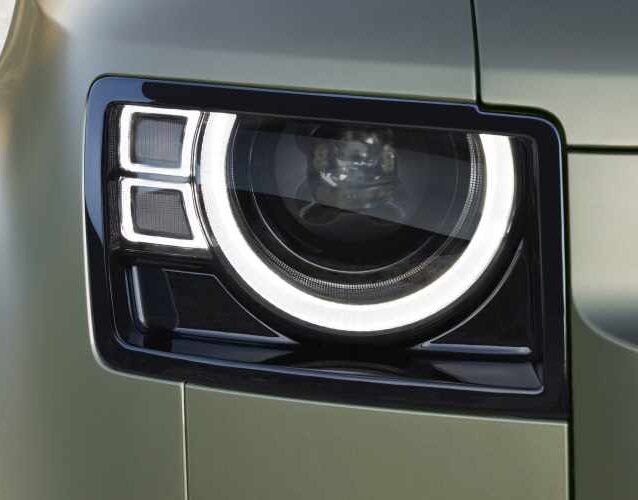
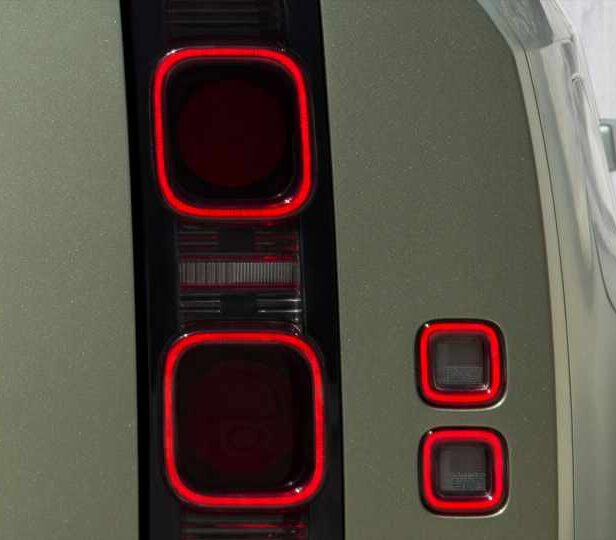
The outline is familiar. Flat sides, Alpine lights in the roof on the 90 and 110, and a side-hinged rear door carrying a full-size spare wheel. Wheel options run up to 22 inches, and the exposed rear recovery eyes are functional, not decorative. The Vertex adds yellow recovery eyes and brake calipers. It looks every bit as good even when a bit dusty from the country roads.
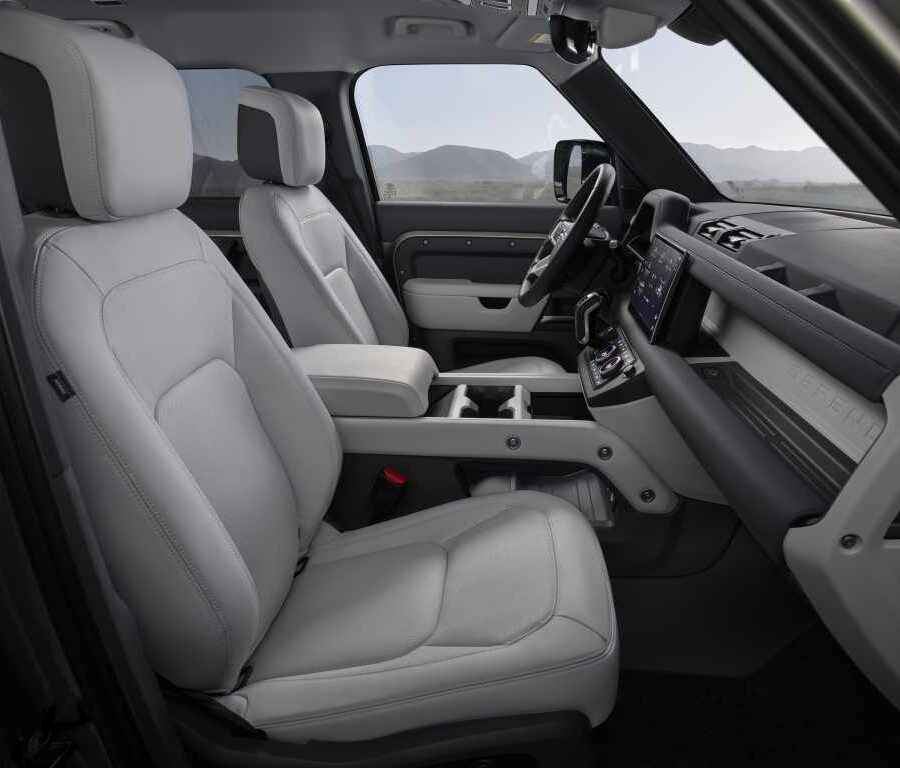
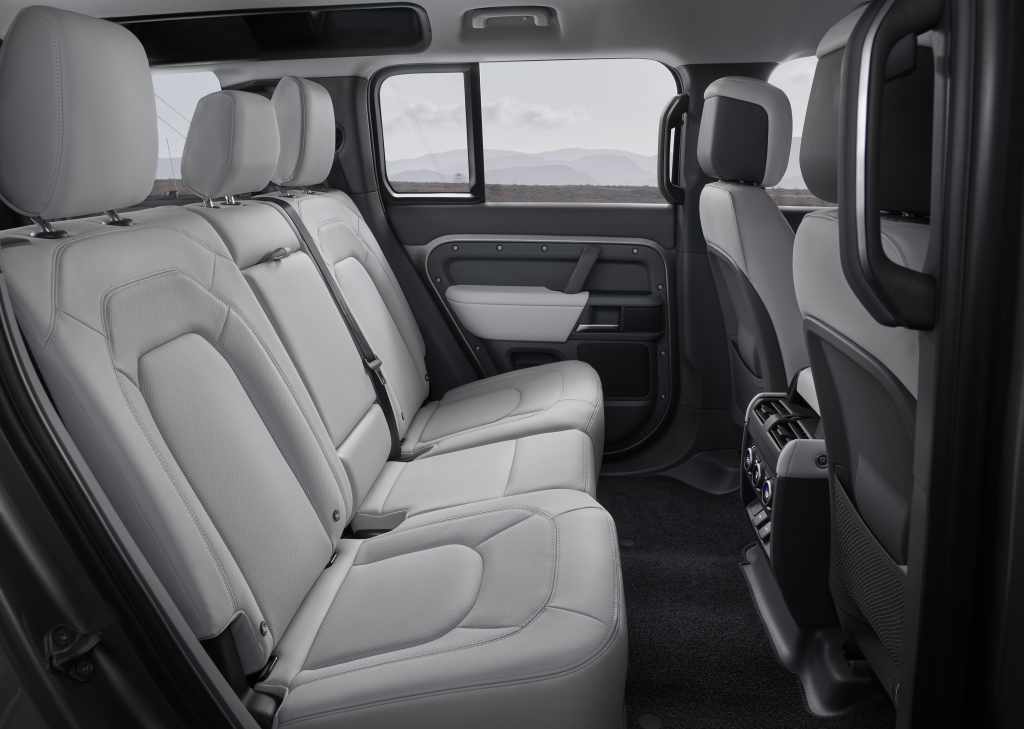
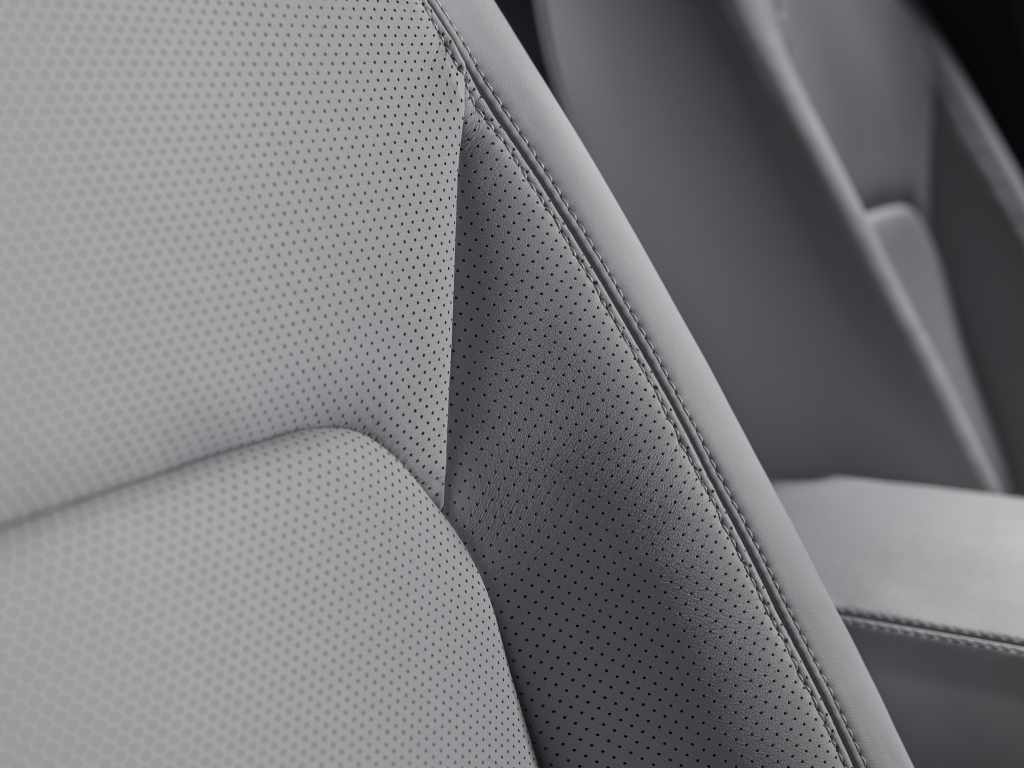
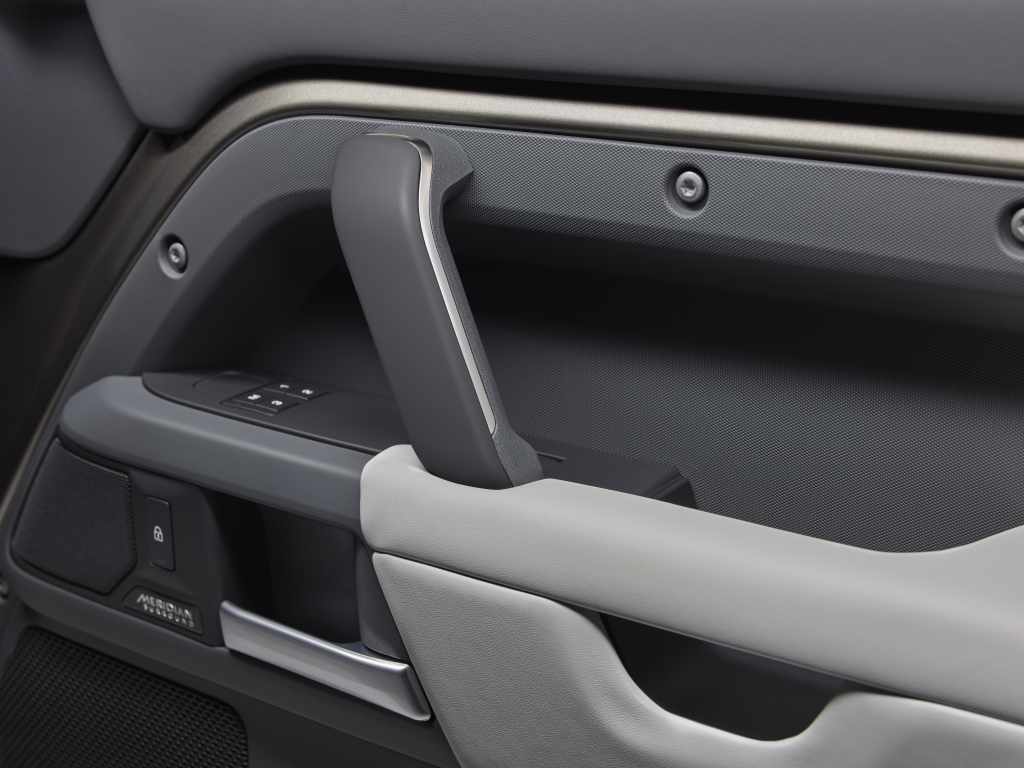
Inside, the structure is on show. The dash is organised around a 13.1-inch Pivi Pro touchscreen, with a 12.3-inch Interactive Driver Display in front of the driver. Materials are chosen to take knocks. Durable rubber flooring in the cabin and loadspace sits alongside Windsor leather on the higher grades, and there is a full set of physical controls for the things you use most. You sit high, with a clear view over the bonnet.
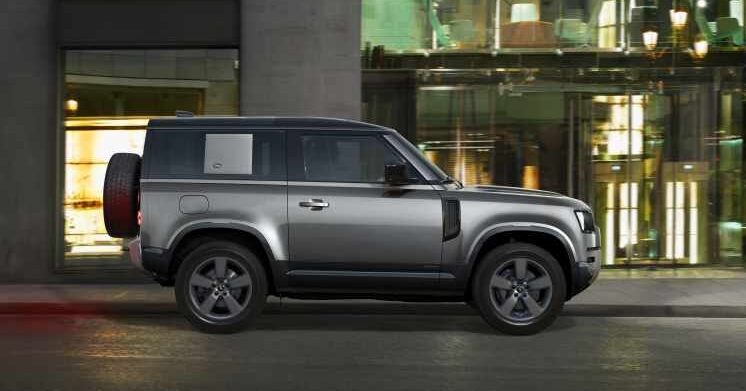
The short wheelbase Defender, with three doors and seating for five, or six with the optional front jump seat. It is the most agile Defender on a tight track and the easiest to park in town. Same Terrain Response and all-wheel drive, less length.
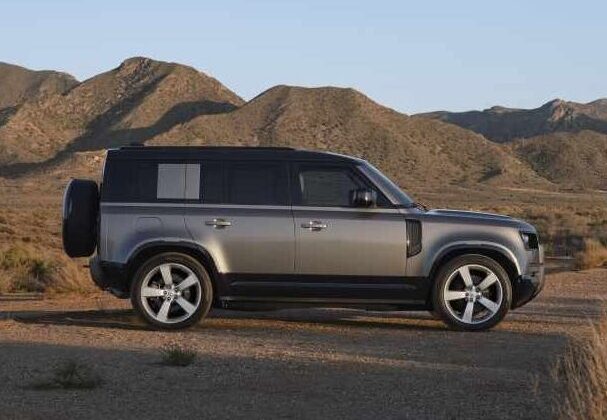
A longer wheelbase than the 90, with the option of a third row for seven. It is also the body offered as a plug-in hybrid, with up to 37km of electric range, and the one the Defender OCTA is built on.
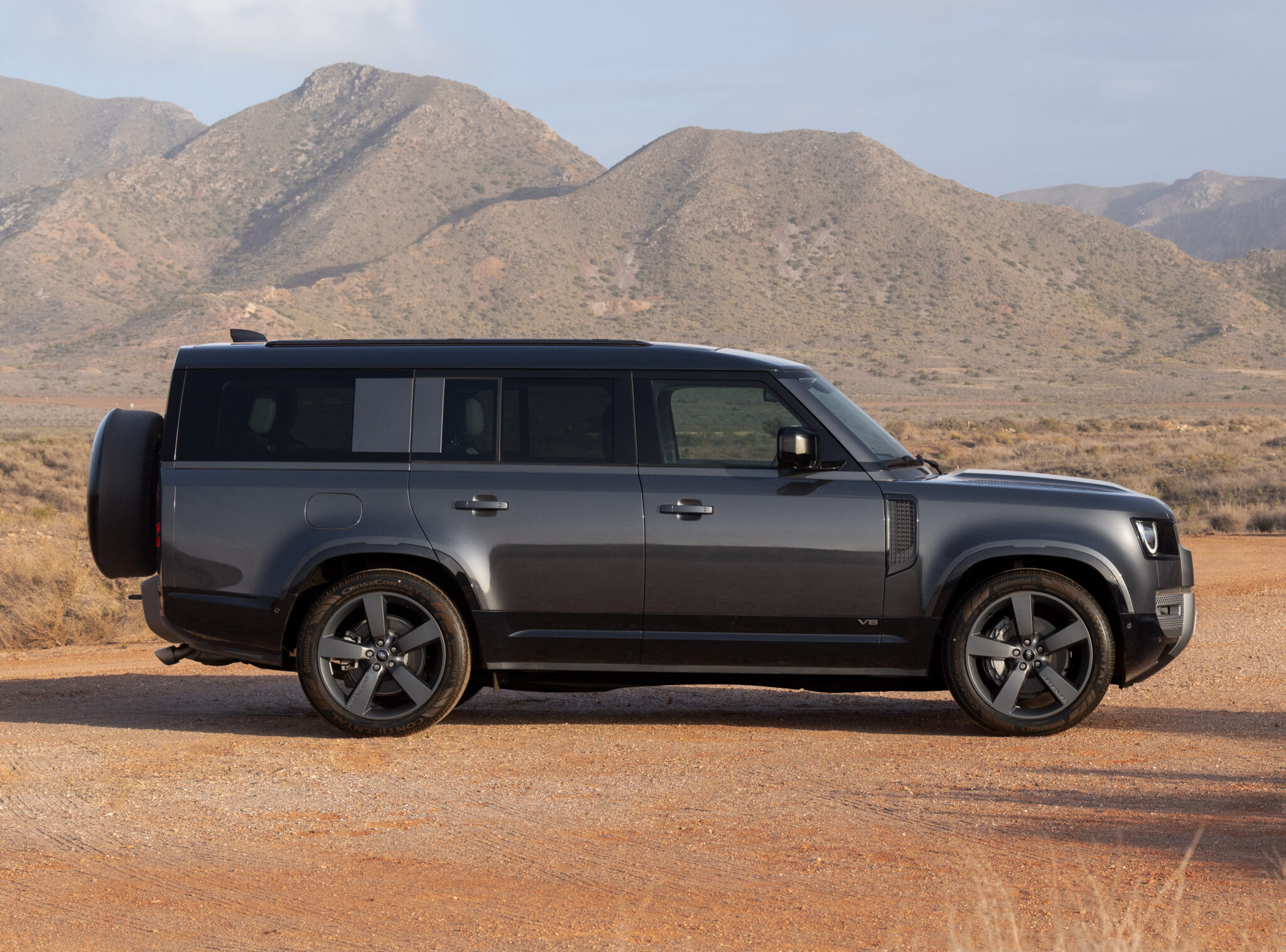
The longest Defender, with an extended rear body that fits a full third row. Three rows of seats offer space for up to eight adults, with ample legroom, cupholders, armrests and USB-C charging ports available in the third row. Made for larger families and long trips with everyone aboard.
The Defender’s interior is designed to be used. Surfaces are hard-wearing, storage is generous and the controls are where your hands expect them to be.

The price depends on the body style, grade and engine you choose. The Defender is offered as a 90, 110 and 130, in grades from the S through to the Vertex, with the OCTA at the top of the range. To see current pricing, ask our team for a quote or look through the Land Rover Defender vehicles we currently have in stock.
Mainly length and seating. The 90 seats up to six with up to 1,563 litres of load space, the 110 seats up to seven with up to 2,279 litres, and the 130 seats up to eight with up to 2,516 litres. Our team can help you decide which body suits the way you live.
Reliability depends on the age, specification and service history of the individual vehicle, so each one is worth looking at closely. A new Defender comes with the manufacturer’s warranty, and for used vehicles our team can talk you through the history of any Defender in stock.
Yes. The Defender 110 is offered as a P300e plug-in hybrid, which Land Rover New Zealand lists with an electric range of up to 48km (WLTP), or around 37km in real-world driving. That is enough for many short daily trips on battery power alone, with the petrol engine there for longer journeys.
New Zealand grades run from the S through the X-Dynamic SE and X-Dynamic HSE to the Vertex, with the Defender OCTA above them as the V8 performance model. Wheels grow from 19 inches on the S to 22 inches on the Vertex, and the HSE and Vertex add a sliding panoramic roof and Matrix LED headlights.